

The Science of Ischemia-Reperfusion Injury (IRI)
Ischemia-reperfusion injury (IRI) is a complex physiological process that occurs when blood flow is restored to oxygen-deprived tissues, paradoxically causing further damage.
IRI is a major factor in organ transplant failures, post-surgical complications, and acute events like heart attacks and strokes.

Key Mechanisms of IRI
-
During reperfusion, an overabundance of reactive oxygen species (ROS), such as the hydroxyl radical (OH•), damages cellular components including DNA, proteins, lipid membranes, and mitochondria.
-
ROS triggers inflammatory cascades, releasing cytokines (e.g., TNF-α, IL-6, IL-1β) that exacerbate tissue injury.
-
Damage to biomolecules and increased inflammation lead to programmed cell death, reducing organ viability and function.
-
In transplants, IRI limits donor organ usability, increases delayed graft function, and contributes to rejection. In cardiac surgery, it raises risks of myocardial and neurological complications.
Diatomic HTx: A Selective and Safe Solution
Hydrogen (H₂) is a colorless, odorless gas recognized for its antioxidant properties. Unlike traditional antioxidants, H₂ offers a unique combination of safety, selectivity, and permeability, making it ideal for IRI mitigation.
Mechanism of Action
-
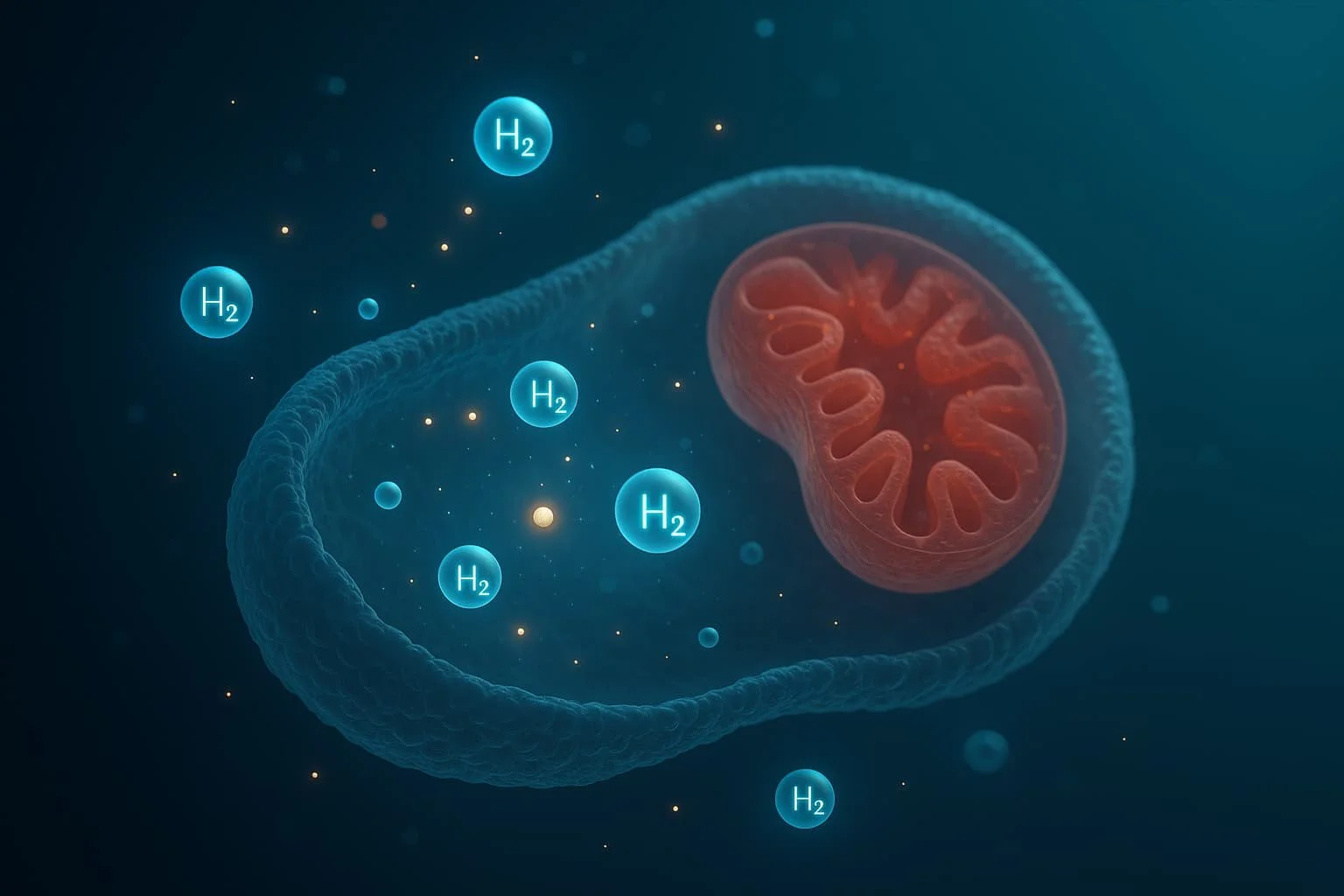
H₂ targets only the most harmful ROS (e.g., OH•), converting them to water without affecting beneficial species like superoxide or peroxide, which play roles in cell signaling.
-
As the smallest molecule, H₂ diffuses rapidly through biological barriers, reaching intracellular sites like mitochondria where ROS is produced.
-
H₂ modulates pathways such as NF-κB, reducing cytokine production and inflammation.
-
H₂ upregulates protective proteins (e.g., Bcl-2) and inhibits apoptosis signals (e.g., Caspase-3), preserving cell integrity.
-
H₂ is non-toxic at all dose levels, as evidenced by endogenous production of H₂ in the human gut (low dose) and by the use of 96% H₂ breathing gas in deep-sea diving applications at extreme pressures (high dose).